Haleakala Sunrise vs Sunset
March 1, 2024


Compare Haleakala sunrise vs sunset before choosing your visit. Sunrise requires an advance vehicle reservation for entry between 3 a.m. and 7 a.m. Sunset does not currently use that reservation system, but you still need to allow for parking, cold weather and the drive back after dark.
Haleakalā's summit is 10,023 feet above sea level. You can drive to summit viewpoints; watching the sun does not require a long hike. Decide separately whether you want a viewpoint visit, a short walk or a demanding day on the trails.
Sunrise or sunset: the practical comparison
- Choose sunrise when you have secured the reservation and can manage the predawn drive without rushing or losing too much sleep.
- Choose sunset when an afternoon visit suits your plans better. Lack of a sunrise permit does not guarantee parking or clear skies at sunset.
- For either visit, bring warm layers and check the park's current notices. Neither time is reliably warm or cloud-free.
The National Park Service sunrise FAQ is the controlling source for reservation arrangements. Check it again before your date, even when an older travel guide describes a different fee or process.
How Haleakala sunrise reservations work
A sunrise reservation permits a vehicle to enter the Summit District during the controlled 3 a.m.–7 a.m. window on the specified date. It is separate from the park entrance fee. A park pass does not replace the sunrise reservation.
As checked on October 17, 2026, NPS lists a $1 reservation charge per vehicle. Reservations are released on Recreation.gov up to 60 days ahead at 7 a.m. Hawaiʻi Standard Time. A further portion is released two days ahead. They are not issued at the park entrance.
Have the reservation holder, photo identification and confirmation with you. Download or print the confirmation before leaving. The reservation is date-specific and does not guarantee space in a particular summit parking lot. NPS does not exchange reservations because clouds obscure the view.
The separate park entrance fee or qualifying pass covers entry under its own terms. Check the current price for your vehicle and visitor circumstances instead of combining it with the $1 reservation charge and calling that the whole cost.

What changes when you visit for sunset?
NPS currently requires no sunrise reservation for a sunset visit. Normal entrance requirements still apply, and parking lots can close when full. Arrive with enough time to park legally and reach a suitable viewpoint without trying to hurry along the mountain road.
Sunset gives you daylight for the drive uphill, but the return journey is usually after dark. Consider who will drive and how tired the group will be after any hiking. An afternoon visit can still be cold, windy or wet; it is not a reason to leave warm clothing behind.
Check the day's sunset time and the summit forecast. Timing changes through the year, and clouds can hide the view at either sunrise or sunset. A later start is the practical advantage, not a promise of fewer people or better weather.
Plan the drive from Kihei
The summit route and the coastal route to Kīpahulu are different trips. The NPS driving guide directs summit visitors through Routes 37, 377 and 378. It gives a planning estimate of three hours from Wailea and 2.5 hours from Kahului; use your exact starting address in Kihei and allow for the day's conditions.
Do not navigate only to the words “Haleakalā National Park.” Select the Summit District or the specific summit visitor center. The coastal Kīpahulu district near Hāna is not connected to the summit by a through-road inside the park.
There is no fuel for sale in the park. Prepare the vehicle, food and water beforehand, follow posted speed limits and use designated pullouts. Stop for wildlife on the road. For HPH-specific planning, see our Haleakalā sunrise from Kihei guide.
Choose a Haleakala hiking route separately
A summit viewpoint visit and a crater hike are not interchangeable. Keoneheʻeheʻe, commonly called Sliding Sands, starts near Haleakalā Visitor Center and descends into the crater. It is not a trail you must climb to reach the road-accessible summit.
The NPS hiking guide lists several very different options:
- Pā Kaʻoao: A 0.4-mile round trip near the visitor center with about 100 feet of elevation change.
- Keoneheʻeheʻe first overlook: About 0.5 mile round trip. Continuing downhill beyond that point commits you to a longer uphill return.
- Crater crossing: An approximately 11-mile point-to-point hike to Halemauʻu. This is a strenuous full-day route, not a short sunrise stroll, and the park does not provide a return shuttle.
On descending routes, NPS advises allowing roughly twice as much time to climb back as to walk down. Choose a turnaround point that fits your ability, daylight and remaining drive. Check current trail status before starting and stay on marked paths.

Prepare for altitude and summit weather
The park safety guide describes rapidly changing mountain conditions and remote trails. Bring cold- and wet-weather clothing, sturdy shoes, water, food and sun protection. Beach weather in Kihei does not tell you what to wear at the summit.
High elevation can affect visitors even when they do not plan a long hike. NPS advises people who are pregnant or have heart or respiratory conditions to consult their clinician before visiting or hiking in the Summit District. Seek help if you feel unwell rather than continuing to meet an itinerary.
Let someone know your hiking plan and expected return. Do not rely on mobile reception in the crater. A shorter walk is a valid choice, particularly when the drive and viewing session already make a long day.
Guided tours and overnight visits
A guided tour may remove the need to drive the summit road yourself. Confirm the exact pickup location, entry arrangements, food, clothing and any age or health restrictions with the operator. Do not assume a tour picks up at HPH because it advertises a Kihei service area.
The NPS sunrise page links to authorized road-based tour providers. Use that route to compare current options instead of relying on an older package description.
Overnight stays require separate arrangements in designated camping areas or reserved cabins. A sunset visit does not authorize sleeping in a summit parking lot. Check current park conditions and overnight restrictions before planning to stay after your visit.

Respect the place you are visiting
Haleakalā is a living cultural landscape. The park's history and culture resources explain Native Hawaiian connections to the summit and Kīpahulu. Follow marked routes, leave rocks and plants in place and avoid interrupting cultural practices.
Use an attributed cultural source when learning the stories associated with the mountain. A travel guide should not combine unrelated island traditions or present an unsupported story as a local fact.
Questions about sunrise and sunset
Can I see the summit without hiking?
Yes. Road-accessible viewpoints are available, with different paths and accessibility arrangements. The NPS viewpoint guide describes ramps and trail access. Choose the location that fits your needs rather than assuming all viewpoints are equally accessible.
Is Pīpīwai Trail close to the summit?
No. Pīpīwai Trail is in the coastal Kīpahulu district, reached by a different road route. Plan it as a separate trip. The park's current notices say the Pools of ʻOheʻo are not accessible for swimming; older guides can give the wrong impression.
Which time should an HPH guest choose?
Choose the trip you can manage comfortably. A secured sunrise reservation and a rested driver support a morning visit. An afternoon visit may fit better when you prefer not to leave before dawn. Check the forecast and keep a different day plan available when conditions make the trip unsuitable.
Browse our unit types or check accommodation availability when planning a stay in Kihei.
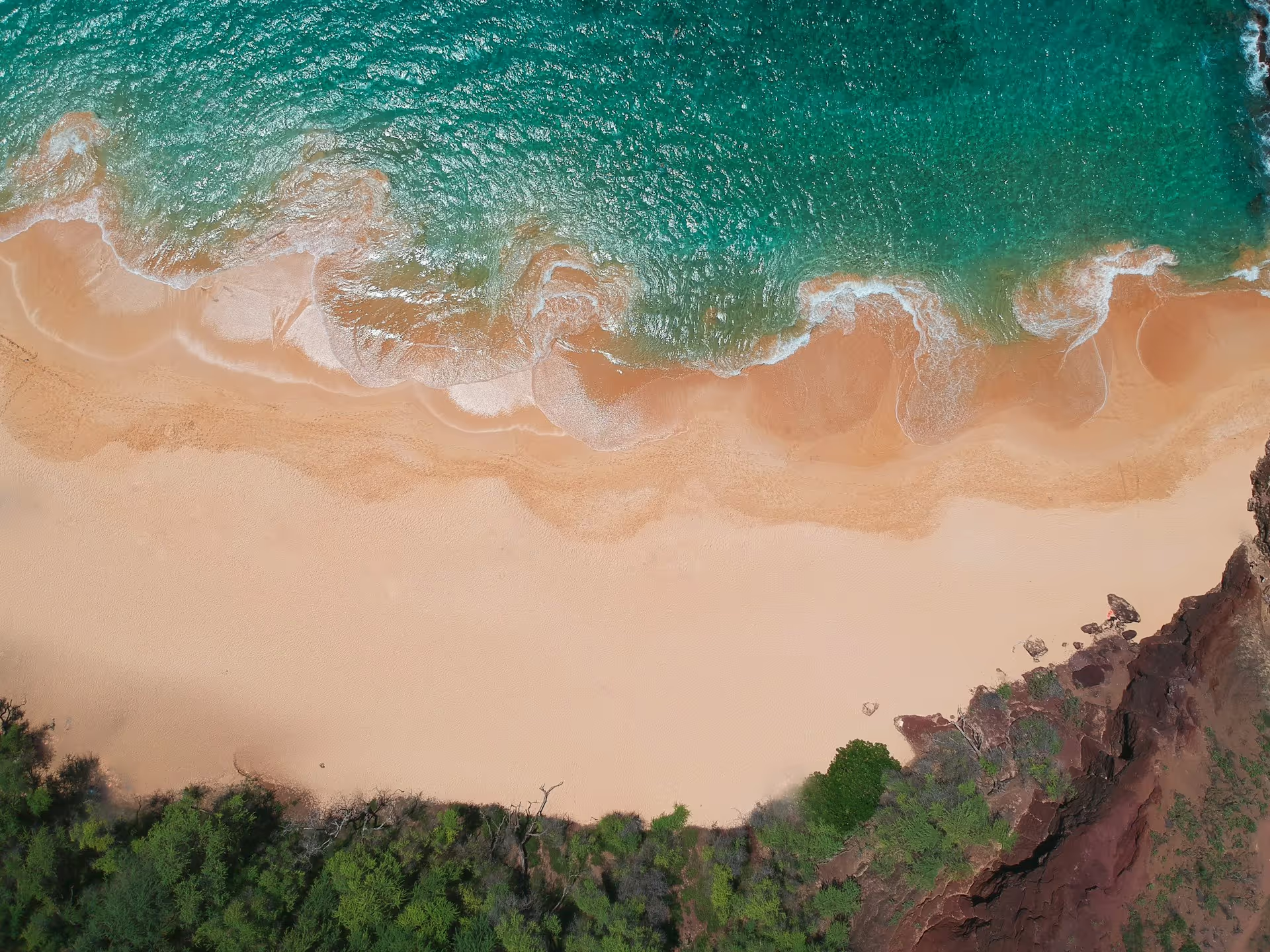
Information checked against the linked National Park Service sources on October 17, 2026. The Hale Pau Hana provides accommodation and is not the park authority or a medical provider. Confirm current access rules and conditions before travelling. Featured image by Tevin Trinh.



THE HALE PAU HANA
2480 SOUTH KIHEI ROAD
KIHEI, HI 96753